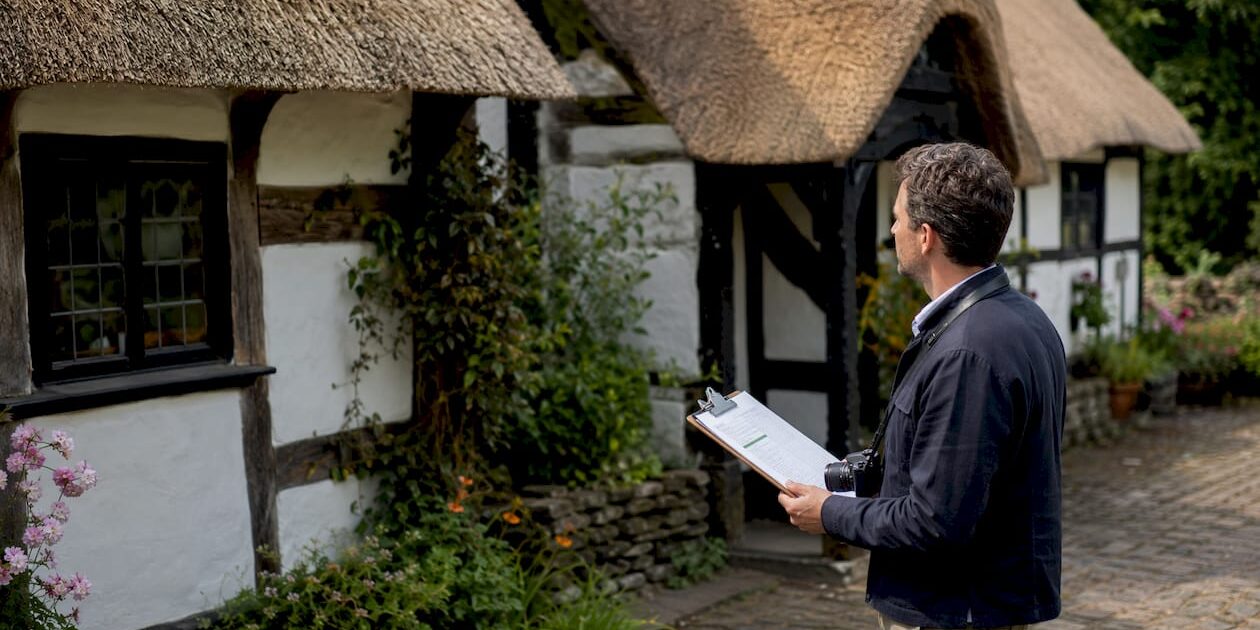
A building survey, now formally known as an RICS Level 3 Home Survey, is the most thorough property inspection available to buyers in the UK. Carried out by a qualified RICS member, it involves a detailed, non-destructive visual assessment of a property’s structure, fabric, finishes, and grounds to identify defects, maintenance needs, and potential risks. Think of it as a professional health check for a building before you commit to one of the largest financial decisions of your life.
The survey produces a written report advising you on condition, likely causes of defects, and where practicable, estimated repair costs. It is entirely independent of the lender’s mortgage valuation, which exists solely to protect the lender’s interest and tells you very little about the property’s actual condition. A building survey works for you, not the bank.
At a glance, a building survey:
- Covers the main structure, roof, walls, floors, ceilings, windows, doors, and permanent outbuildings
- Identifies visible defects and flags suspected hidden issues
- Provides maintenance advice and guidance on remedial measures
- Recommends specialist investigations where needed (for example, structural engineers or damp specialists)
- Is conducted without destructive testing or moving heavy furniture without prior agreement
- Is particularly recommended for older, larger, or significantly altered properties
The terminology shift from “Building Survey” to “RICS Level 3 Home Survey” was introduced to clarify the tiered inspection framework, making it easier for buyers to match inspection depth with the complexity of their property. Both names refer to the same service.
What types of house survey are available in the UK?
The UK property market offers three main survey levels, all governed by RICS Home Survey Standards. Understanding the differences helps you choose the right level of scrutiny for your property.
RICS Level 1 Home Survey (Condition Report)
This is the entry-level option, providing a basic overview of the property’s condition using a traffic-light rating system. It suits newer, conventionally built properties in good condition where you simply want a general snapshot. There is no advice on repairs or maintenance, and no market valuation is included as standard.
RICS Level 2 Home Survey (HomeBuyer Report)
The mid-tier option covers the condition of the main elements of the property, flags defects that need attention, and may include a market valuation. It suits standard construction properties in reasonable condition. The inspection is less exhaustive than a Level 3, and the surveyor will not investigate areas that are difficult to access.
RICS Level 3 Home Survey (Building Survey)
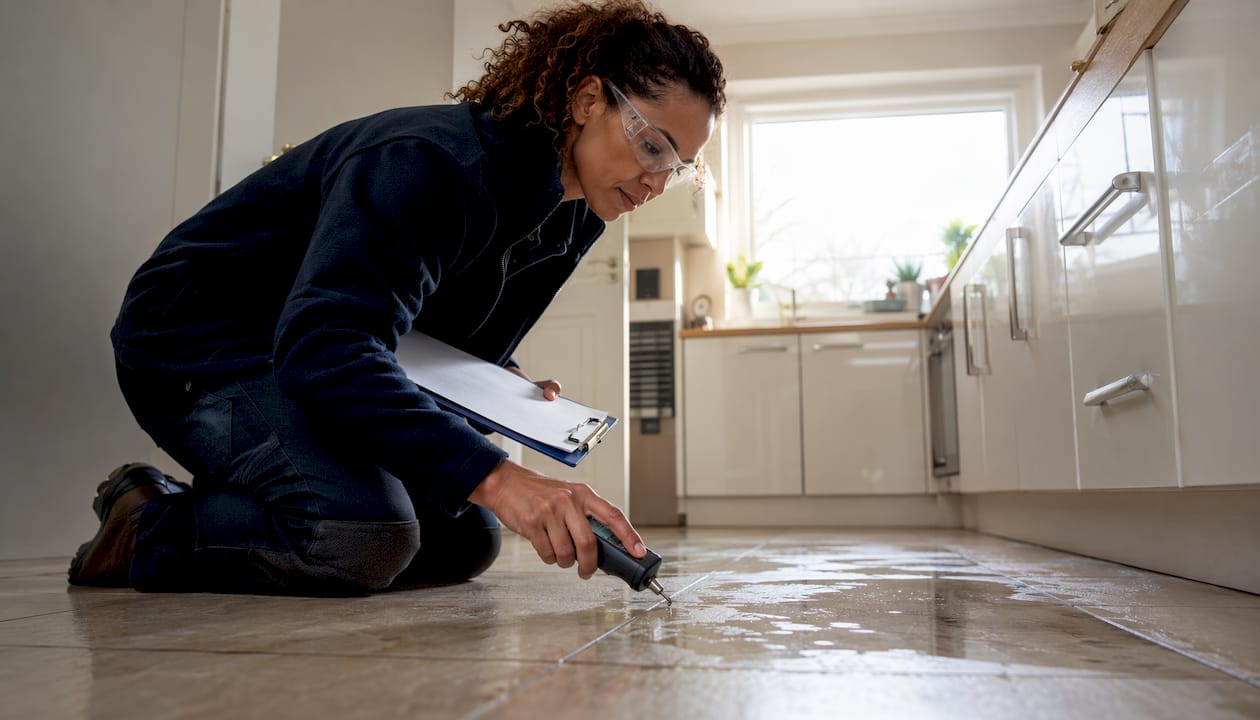
The most detailed inspection available. The surveyor examines the inside and outside of the main building and all permanent outbuildings, recording construction methods and any defects that are evident. This level suits older properties, buildings that have been significantly altered, unusual constructions, or any property where you have concerns about condition. The RICS Level 3 service aims to help you make a reasoned, informed decision, whether you are purchasing, planning repairs, or considering major works.
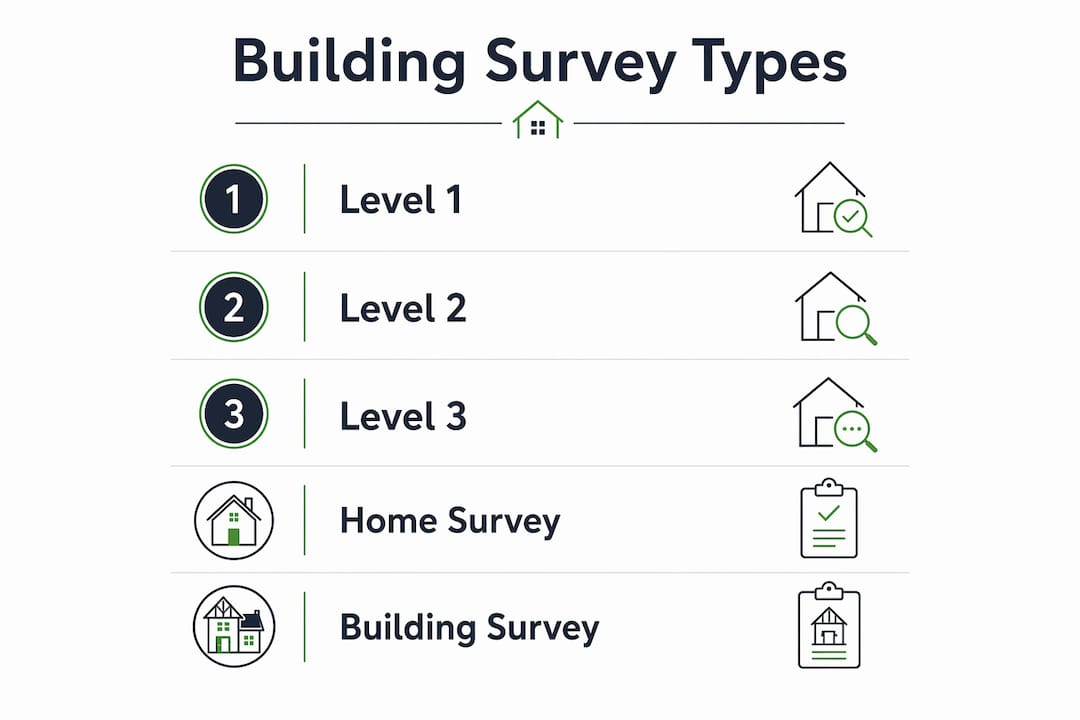
The shift in terminology from “Building Survey” to “RICS Level 3 Home Survey” was deliberate: it signals where the inspection sits within a structured framework rather than leaving buyers to guess at relative depth.
| Survey level | Detail and depth | Applicability | Cost range | Report detail |
|---|---|---|---|---|
| Level 1 (Condition Report) | Basic condition overview, traffic-light ratings | New or near-new properties in good condition | Typical cost range applicable | Short, no repair advice |
| Level 2 (HomeBuyer Report) | Moderate; flags defects needing attention | Standard construction, reasonable condition | Typical cost range applicable | Moderate; optional valuation |
| Level 3 (Building Survey) | Thorough; structure, fabric, finishes, grounds | Older, larger, altered, or unusual properties | £630–£1,500+ | Detailed; repair advice, cost estimates |
Key points to keep in mind:
- All three levels are carried out by RICS-regulated professionals
- Only Level 3 provides detailed advice on repair costs and maintenance options
- Level 2 and Level 3 can include a market valuation as an optional extra
- The right level depends on the property’s age, construction type, and your own risk appetite
How much does a building survey cost in the UK?
A Level 3 building survey typically costs between £630 and £1,500 or more, depending on several variables. That range is wide because no two properties are the same, and the surveyor’s time on site and in report preparation reflects that complexity directly.
The main factors that influence the final fee are:
- Property size: A larger floor area takes longer to inspect and document thoroughly.
- Age and construction: Victorian terraces, period farmhouses, or properties with unusual materials require more specialist knowledge and time.
- Location: Surveyors in London and the South East generally charge more than those in the North West or Midlands.
- Complexity and condition: A property with visible structural concerns, multiple extensions, or a history of alterations will demand a more detailed assessment.
- Optional extras: Services such as a market valuation, reinstatement cost assessment, schedule of works, or re-inspection are not included in the standard Level 3 fee and require a separate agreement.
The mortgage valuation your lender commissions is a separate cost entirely. It is not a substitute for a building survey, and you should budget for both. The valuation protects the lender; the survey protects you.
Pro Tip: Ask your surveyor for a clear written breakdown of what is and is not included in the quoted fee before you book. Knowing upfront whether a market valuation or damp investigation is extra avoids surprises later.
Why is a building survey so important when buying property?
A building survey gives you a detailed, professional account of a property’s condition before you exchange contracts. That knowledge is genuinely protective. Defects that are invisible to the untrained eye, such as early-stage subsidence, concealed damp, or deteriorating roof timbers, can carry repair costs that dwarf the survey fee many times over.
RICS distinguishes clearly between the lender’s valuation and a buyer-focused survey: the valuation is mandatory for the lender but tells you almost nothing about the building’s actual condition. A survey commissioned by you, for you, is the only way to get that independent professional view. Surveys are recommended for older, larger, or significantly altered properties precisely because these buildings carry the greatest risk of hidden or complex defects.
The practical benefits of commissioning a building survey include:
- Identifying serious or urgent defects before you are legally committed to the purchase
- Providing a basis for renegotiating the purchase price where significant repairs are needed
- Giving you a realistic maintenance plan for the years ahead
- Reducing the risk of costly surprises after you move in
- Offering peace of mind that an independent professional has scrutinised the property
A survey is not mandatory, but it is highly recommended. Choosing to proceed without one on an older or complex property is a calculated risk that many buyers later regret.
Worth knowing: Survey reports are a tool for buyer risk management, not structural guarantees. RICS experts are clear that the report supports your decision-making and potential negotiation, but sellers are not obliged to fix faults or reduce the price. Most buyers find, however, that a detailed report opens a productive conversation about the property’s condition and fair value.
What does a building survey report include?
A Level 3 building survey report is a detailed professional document, not a simple pass-or-fail certificate. Its purpose is to give you a thorough understanding of the property’s condition so you can make an informed decision on purchase, repairs, and ongoing maintenance.
A typical report covers the following:
- Introduction and terms of engagement: Confirms the scope of the inspection, the property address, and the agreed service level.
- Property description: Records the construction type, approximate age, and general layout.
- External condition: Covers the roof covering, chimneys, gutters, downpipes, external walls, windows, and doors.
- Internal condition: Examines ceilings, walls, floors, fireplaces, internal joinery, and roof structure where accessible.
- Services overview: Notes the apparent condition of drainage, heating, and electrical installations, though active testing of gas, electrics, or plumbing falls outside the standard scope.
- Grounds and outbuildings: Assesses paths, boundaries, garages, and any permanent outbuildings.
- Legal considerations: Flags issues that may need your solicitor’s attention, such as boundary disputes or apparent alterations without consent.
- Limitations on inspection: Records any areas that could not be accessed during the visit, for example, areas concealed by fitted furniture or locked roof hatches.
- Recommendations for further investigation: Where a defect warrants specialist input, the surveyor will say so clearly.
Surveyors produce detailed reports flagging visible and suspected defects, advising on maintenance rather than providing guarantees or warranties. The report is produced for your use; the surveyor cannot accept liability if it is used by a third party. If you choose not to act on the advice given, you do so at your own risk.
Surveyors do not carry out destructive tests or expose concealed services without your prior consent. This means some defects may only become apparent during renovation or further specialist investigation.

How do you find and choose a qualified surveyor?
Choosing the right surveyor matters as much as choosing the right survey level. The starting point is always RICS membership. Look for a surveyor who holds AssocRICS, MRICS, or FRICS status, which confirms they are regulated, professionally indemnified, and bound by RICS standards of conduct.
Beyond the letters after their name, consider the following:
- Local knowledge: A surveyor familiar with your area will recognise regional construction methods, common local defects, and typical maintenance issues specific to the property type.
- Experience with the property type: Victorian terraces, converted farmhouses, and listed buildings each carry distinct risks. Ask directly whether the surveyor has relevant experience.
- Sample reports: A reputable surveyor will share an anonymised sample report so you can judge the depth and clarity of their work before committing.
- Clear communication: You need a surveyor who will explain findings in plain language, not just technical jargon. Ask how they handle follow-up questions after the report is delivered.
- Transparent fees: Confirm in writing what the quoted fee covers and what constitutes an extra service.
Before the inspection, discuss access and property specifics with your surveyor. If the property has a roof void, cellar, or crawl space, confirm that access will be available on the day. Locked hatches or blocked access points can limit the inspection and lead to caveats in the report.
Pro Tip: Search the RICS Find a Surveyor directory at rics.org to locate regulated professionals in your area. Filtering by “residential surveying” and your postcode gives you a shortlist of qualified local practitioners.
You can also explore how property professionals select builders after a survey identifies repair needs, which gives useful context on vetting tradespeople once you have your report.
What red flags do building surveys commonly reveal?
A building survey is most valuable precisely because it surfaces problems that are not obvious during a viewing. Surveyors are trained to read the signs that a casual visitor would walk straight past.
Common defects highlighted in surveys include:
- Damp: Rising damp, penetrating damp, and condensation are among the most frequently reported issues, particularly in older properties. Each has a different cause and a different remedy.
- Structural cracks: Fine hairline cracks in plaster are usually cosmetic, but wider or stepped cracks in masonry can indicate movement or subsidence.
- Roof defects: Missing or slipped tiles, deteriorating felt, blocked gutters, and failing flashings around chimneys are common findings, especially on properties over 30 years old.
- Subsidence: Ground movement causing uneven settlement can be expensive to address and may affect insurability and mortgage eligibility.
- Timber decay: Wet rot and dry rot in floor joists, roof timbers, or window frames are serious structural concerns that spread if left untreated.
- Poor previous repairs: Bodged pointing, mismatched materials, or DIY electrical work can mask underlying problems and create new ones.
- Asbestos-containing materials: Properties built or refurbished before 2000 may contain asbestos in floor tiles, roof sheets, or pipe lagging.
Surveyors identify visible and suspected defects; they do not guarantee that every defect has been found. Where a finding warrants deeper investigation, the report will recommend a specialist, such as a structural engineer for suspected subsidence or a timber and damp specialist for significant rot. Acting on those recommendations before exchange is always the prudent course.
Understanding common brickwork issues in older properties can help you interpret what a surveyor flags about the external fabric of a building.
What is the typical building survey process and timeline?
The process from booking to receiving your report follows a clear sequence, though the exact timing varies with property size and complexity.
The key stages are:
- Booking: Contact RICS-regulated surveyors, agree the scope and fee in writing, and confirm a date. Allow time for the surveyor to review any available information about the property beforehand.
- Pre-inspection preparation: As the buyer, notify the estate agent or vendor that access is required, including to roof voids, cellars, and outbuildings. The vendor or agent should ensure the property is reasonably accessible.
- Physical inspection: The surveyor spends several hours on site, working methodically through the exterior and interior of the building. Larger or more complex properties naturally take longer.
- Report compilation: After the inspection, the surveyor writes up their findings, cross-references observations, and prepares the full written report.
- Report delivery: Delivery typically takes a few days to a couple of weeks after the inspection, depending on the surveyor’s workload and the complexity of the findings.
Preparation tips for buyers:
- Confirm access arrangements with the vendor at least 48 hours before the inspection
- Ask the surveyor whether they need any documents, such as planning permissions for extensions or guarantees for previous works
- Be available by phone on the day of the inspection in case the surveyor has questions
Delays can occur when access is restricted, when the property is tenanted, or when the surveyor identifies issues requiring additional investigation before the report can be finalised. Building in a realistic buffer between the survey booking and your exchange deadline avoids unnecessary pressure.
Legal considerations and surveyor liability
A building survey report carries real professional weight, but its legal scope is defined and finite. The report is produced for the named client only. The surveyor cannot accept liability if the report is passed to a third party, such as a subsequent buyer or a lender, and used as the basis for their decisions.
Surveyors practising under RICS standards carry professional indemnity insurance, which means you have a formal route of recourse if a surveyor fails to identify a defect that a competent professional should reasonably have spotted during a non-destructive visual inspection. The key qualifier is “reasonably.” A surveyor is not liable for defects that were genuinely concealed, inaccessible, or outside the agreed scope of the inspection. The report will record any limitations on access, and those limitations form part of the professional boundary.
If you believe a surveyor has been negligent, the first step is to raise the matter formally with the surveying firm. RICS also operates a complaints and dispute resolution process for cases that cannot be resolved directly. Legal action through the courts is a further option, though specialist legal advice is advisable before pursuing that route.
One practical point worth noting: the report is not a warranty. It does not guarantee that the property is free from defects, and it does not create any obligation on the seller to carry out repairs. What it does create is an informed basis for your decisions, and that is its proper purpose.
What should you do after receiving your building survey report?
Receiving a detailed building survey report can feel overwhelming, particularly if the surveyor has flagged several issues. The right approach is methodical rather than reactive.
Read the report carefully and in full. Surveyors use condition ratings, typically numbered 1 to 3, to indicate severity. A Condition 3 rating signals a defect requiring urgent attention; Condition 1 means no repair is currently needed. Understanding the rating system helps you prioritise.
Get specialist quotes for significant defects. Where the report recommends further investigation, commission those specialist reports before exchange. A structural engineer’s assessment of suspected subsidence, for example, will either confirm a serious problem or put your mind at rest. Either outcome is more useful than proceeding in uncertainty.
Use the report in your negotiations. Survey reports support buyer decisions and potential negotiation, though sellers have no legal obligation to reduce the price or carry out repairs. Many buyers use a detailed report to request a price adjustment that reflects the cost of necessary works, and many sellers accept a reasonable reduction rather than lose the sale.
Plan your post-purchase maintenance. Even where defects are minor, the report gives you a maintenance roadmap. Addressing smaller issues promptly, such as repointing deteriorating mortar or clearing blocked gutters, prevents them from becoming costly structural problems later.
Consult your solicitor about legal flags. Where the report notes apparent alterations without planning consent, boundary ambiguities, or other legal matters, your conveyancing solicitor should review these before exchange. Some issues can be resolved with indemnity insurance; others may require the vendor to regularise the works.
If the survey reveals repair needs, Ajcandsonbuilders offers a full range of building services in Liverpool and Merseyside to help you address structural, brickwork, and renovation requirements with confidence. Whether the report flags damp, structural concerns, or the need for a full house renovation, our team is ready to provide honest, expert advice and quality workmanship.

Key takeaways
A building survey, formally the RICS Level 3 Home Survey, is the most detailed property inspection available in the UK and the strongest protection a buyer can commission before exchanging contracts.
| Point | Details |
|---|---|
| Building survey definition | An RICS Level 3 Home Survey is a thorough, non-destructive visual inspection of structure, fabric, finishes, and grounds. |
| Survey vs mortgage valuation | A lender’s valuation protects the bank; only a buyer-commissioned survey protects your interests. |
| Typical cost range | Level 3 surveys cost between £630 and £1,500 or more, depending on size, age, location, and complexity. |
| Best suited properties | Older, larger, significantly altered, or unusual properties benefit most from a Level 3 inspection. |
| Acting on the report | Use condition ratings to prioritise repairs, commission specialist reports where advised, and discuss findings with your solicitor before exchange. |