
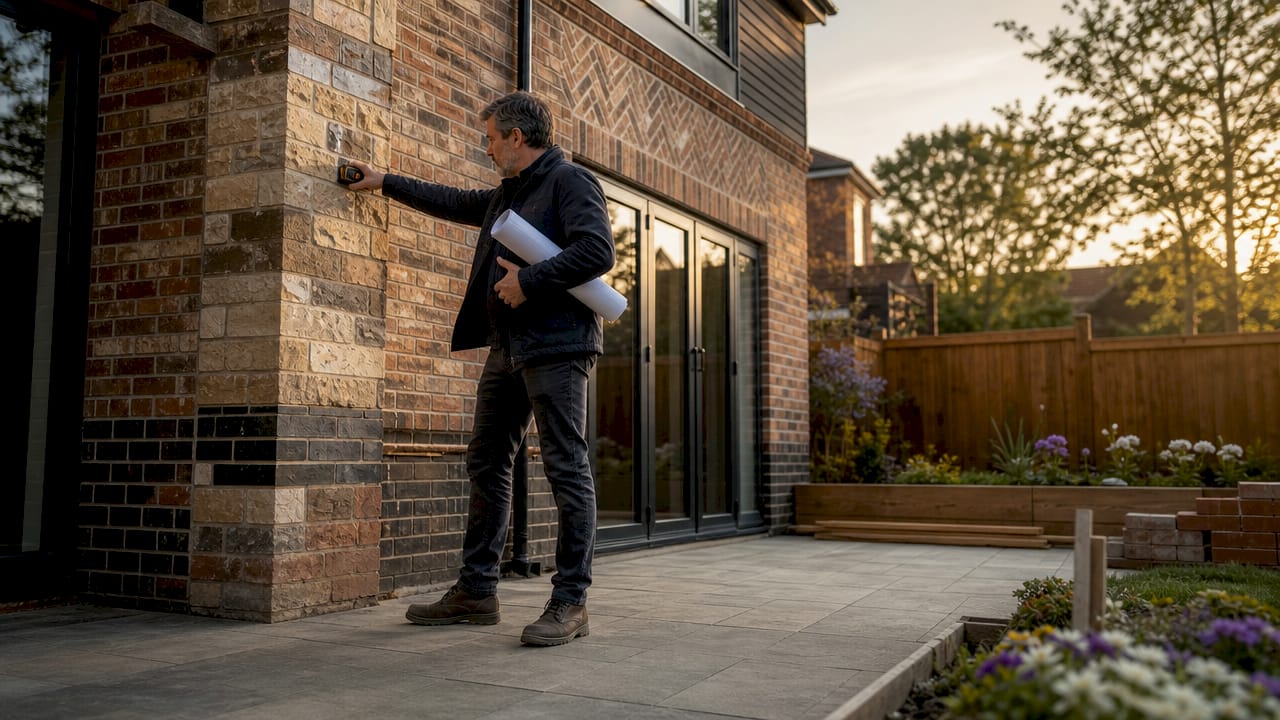
Brickwork styles for residential homes are defined as specific arrangements of bricks that determine both the structural performance and the visual character of a wall. The industry uses the term “brick bonding” to describe these patterns, and the choice of bond affects load distribution, mortar adhesion, and the finished appearance of your home. Selecting the right brick bond is crucial to balancing aesthetics, structural integrity, and insulation in any residential build. Whether you are planning a new home, an extension, or a renovation in Liverpool and Merseyside, understanding the main bonding patterns and brick types will help you make confident decisions from the outset.
1. What are the most popular brickwork styles for residential homes?
Bond pattern choice is dictated more by structural requirements than aesthetics. Load-bearing masonry demands interlaced header and stretcher bonds, whereas brick veneer typically uses running bond. Knowing which pattern suits your project prevents costly mistakes and ensures your wall performs as intended.
Running bond (stretcher bond)
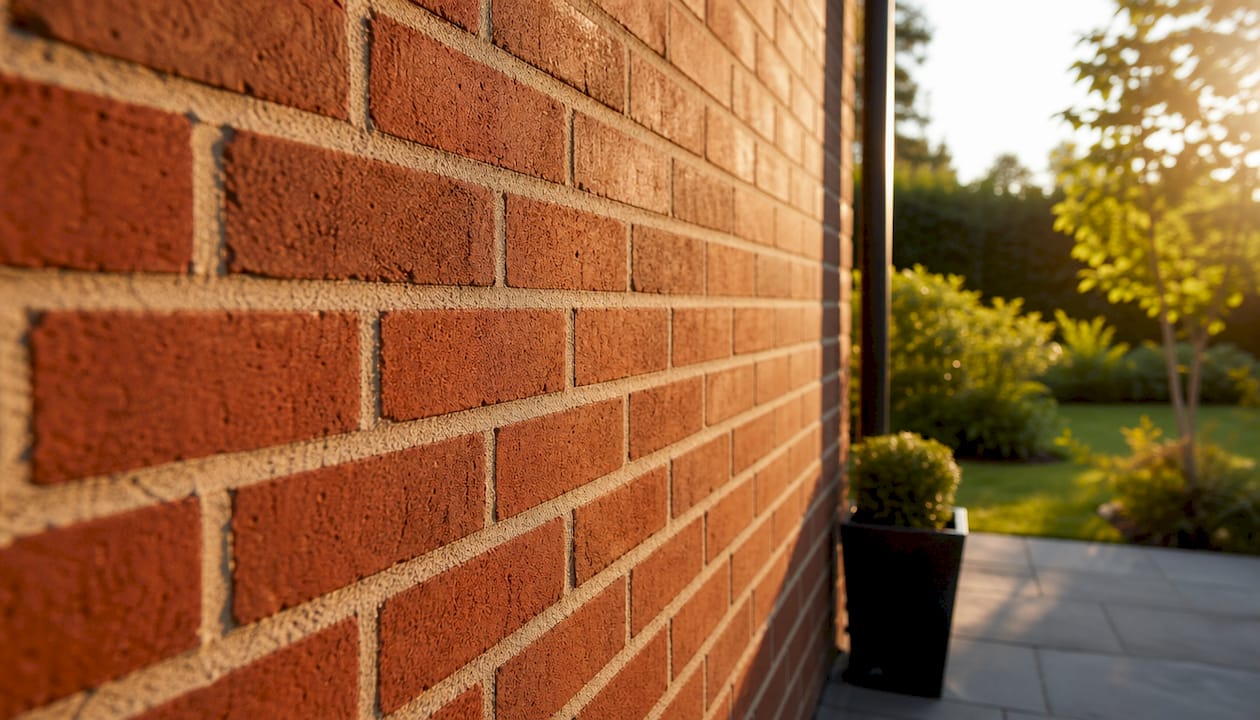
Running bond is the most commonly used residential brick pattern. Each brick is laid horizontally with its long face showing, and each course offsets by half a brick from the one below. Running bond is preferred for modern brick veneer homes because it installs quickly and wastes minimal material. You will see it on the majority of new build homes across the UK.
English bond
English bond alternates full courses of stretchers with full courses of headers. This interlocking arrangement produces superior structural strength and is the preferred choice for solid, load-bearing walls. It is common in older Victorian and Edwardian terraces across Liverpool and remains a reliable option for any project where wall strength is the priority.
Flemish bond
Flemish bond places alternating stretchers and headers within every single course. The result is a decorative, symmetrical pattern that suits traditional and period-style homes. Strong bonds like Flemish are typically reserved for solid masonry walls requiring genuine load-bearing strength, though the pattern also appears on feature walls for its visual appeal.
Stack bond
Stack bond aligns every brick directly above the one below, creating a clean grid of continuous vertical and horizontal joints. This pattern carries no structural strength and is used almost exclusively for decorative feature walls, interior panels, and non-load-bearing partitions. Its contemporary, geometric appearance suits modern architectural styles well.
Herringbone and basketweave
Herringbone and basketweave are decorative residential brick patterns most often used for patios, garden paths, and internal flooring. Herringbone lays bricks at 45-degree angles in a zigzag formation, while basketweave pairs bricks in alternating perpendicular groups. Neither pattern is suitable for vertical structural walls, but both add considerable character to outdoor and interior spaces.
Pro Tip: When choosing a bond pattern for a new build or extension, confirm with your structural engineer whether the wall is load-bearing before committing to a decorative pattern like stack bond. The wrong choice can require expensive remedial work.
| Bond pattern | Best use | Structural strength |
|---|---|---|
| Running bond | Brick veneer, new builds | Low to moderate |
| English bond | Load-bearing solid walls | Very high |
| Flemish bond | Traditional solid walls, feature walls | High |
| Stack bond | Decorative, non-structural | None |
| Herringbone | Patios, paths, floors | None |
2. How brick types influence the final style and strength
The physical characteristics of individual bricks affect mortar adhesion, wall durability, and the finished look of any brickwork. Three main brick types appear in residential construction: solid, frogged, and perforated.
Solid bricks have no depressions or holes and are the heaviest option. Frogged bricks carry a rectangular indent on one or both bed faces. Frog orientation affects mortar fill and wall shear strength directly. The frog should always face upward during laying so that mortar fills the depression completely, creating a mechanical lock within the joint.
Perforated bricks contain a series of small holes running through their depth. These holes reduce weight and improve thermal performance, but hole volumes must remain under 20% of the total brick volume to maintain structural soundness. Exceeding this limit weakens the wall and risks failure under load.
Brick texture and finish also shape the perceived style of your home. Smooth, wire-cut bricks read as contemporary and precise. Tumbled or handmade bricks carry surface irregularities that suit cottage and heritage styles. Choosing the right texture is as important as choosing the right bond.
Pro Tip: Always specify that frogged bricks are laid frog-up on your project drawings. Bricklayers working at pace can inadvertently lay frogs downward, which reduces bond strength and is difficult to detect once the wall is complete.
3. Matching brickwork styles to your home design
The right brick facade idea for your home depends on three factors: the construction method, the architectural style, and the insulation requirements. Getting this match right from the design stage saves time, money, and disappointment.
Cavity wall brickwork is widely used in UK residential building standards to meet insulation criteria. A cavity wall consists of two separate brick leaves with a gap between them, which is filled with insulation. This construction method controls damp penetration and meets current Building Regulations for thermal performance. Most new residential builds in England use cavity wall construction as the default.
Here is how to match bond and construction type to your home’s needs:
- Modern new builds and extensions: Running bond on the outer leaf of a cavity wall. Clean, efficient, and cost-effective. Suits contemporary and traditional brick facades equally well.
- Period renovations and solid wall repairs: English or Flemish bond to match existing brickwork. Replicating the original bond maintains the character and value of older properties.
- Feature walls and garden structures: Stack bond or herringbone for visual interest. These patterns work well on residential brick extensions and boundary walls where structure is not the primary concern.
- Interior brick panels: Thin brick veneer with running bond. Thin veneers suit internal walls where load considerations are minimal and a brick aesthetic is desired without the weight of full masonry.
- Load-bearing solid walls: English bond for maximum strength. This is the correct choice for any wall carrying floor or roof loads without a cavity.
Solid brickwork is more durable than cavity construction but costs more and takes longer to build. Cavity walls offer better insulation and damp protection, which is why they dominate UK residential construction today.
4. Design trends and artisan techniques that personalise your brickwork
The most memorable home brick designs come from artisanal details, not from the base brick selection alone. Personalisation in custom homes frequently comes from artisanal brick details that impact the final home personality significantly. A skilled bricklayer can transform a standard wall into a signature architectural feature through a handful of deliberate choices.
Rotated and extruded bricks
Artisanal brick placement techniques, including rotating or extruding individual bricks from the wall face, create shadow lines and tactile texture. A row of bricks rotated 45 degrees within a running bond wall produces a striking band of diamond shapes. Extruded bricks project slightly beyond the wall face, casting shadows that change with the light throughout the day.
Mortar colour and joint profile
Mortar colour significantly alters the perception of brickwork. Matching mortar to the brick creates a monolithic, unified appearance. Charcoal or black mortar with light bricks produces a visible grid that is popular in modern brick home styles. The joint profile matters too: a recessed joint deepens shadows and emphasises the bond pattern, while a flush joint reads as flat and understated.
Brick and glass combinations
Mid-century modern brick homes integrate large glass spans with asymmetrical brick facades to redefine brick as a material for light-filled contemporary living. This approach works particularly well on rear extensions and garden-facing elevations, where a full-height glazed section contrasts with a textured brick wall. The combination suits both new builds and house renovation projects where you want to update the character of an existing property.
Interior brick as a design element
Brick works as a sophisticated interior design element when combined with materials like timber beams or exposed steel. Thin brick veneer panels on a chimney breast or kitchen wall add warmth and texture without requiring structural masonry. Brickwork combined with industrial decor creates a layered, characterful interior that is difficult to replicate with any other material.
Mortar colour and joint profile not only affect aesthetics but also influence the perceived scale and rhythm of brickwork on residential buildings. A taller, narrower joint makes a wall read as more vertical. A wide, recessed joint emphasises the horizontal coursing and makes a building feel lower and more grounded.
Key takeaways
The most effective brickwork for a residential home matches the bond pattern to the structural requirement, the brick type to the construction method, and the mortar colour to the desired aesthetic.
| Point | Details |
|---|---|
| Bond pattern drives structure | Choose English or Flemish bond for load-bearing walls; use running bond for veneer and cavity construction. |
| Brick type affects strength | Lay frogged bricks frog-up and keep perforated brick voids under 20% to maintain wall integrity. |
| Cavity walls suit UK homes | Cavity wall construction meets UK Building Regulations for insulation and damp protection in new builds. |
| Mortar colour shapes appearance | Dark mortar on light bricks creates a grid effect; matched mortar produces a unified, monolithic finish. |
| Artisan details add character | Rotated bricks, extruded courses, and mixed materials transform standard walls into distinctive features. |
Why the right brickwork choice matters more than most homeowners realise
Working on residential projects across Liverpool and Merseyside, I have seen the same mistake made repeatedly. Homeowners choose a brick colour they love, then leave the bond pattern and mortar colour entirely to whoever is on site that day. The result is technically correct brickwork that looks flat and unremarkable.
The bond pattern and mortar colour are the two decisions that most dramatically change how a finished wall reads from the street. A charcoal mortar joint on a buff brick can make the same house look either contemporary or heavy, depending on whether the joint is recessed or flush. Most people do not realise this until the scaffolding comes down.
I also think the industry undersells cavity wall construction to homeowners. It is presented as a practical necessity, which it is, but it is also an opportunity. The outer leaf is entirely decorative, which means you have complete freedom to choose any bond pattern, brick texture, or mortar colour without compromising the structural performance of the wall. That freedom is worth using deliberately.
My honest advice: spend as much time choosing your mortar colour and joint profile as you do choosing your brick. Visit completed projects in person, at different times of day, to see how the shadow lines change. And work with a bricklayer who understands that artisan brick details are not extras. They are the difference between a house and a home.
— Will
Brickwork expertise from Ajcandsonbuilders in Liverpool
Ajcandsonbuilders is a family-run building firm serving Liverpool and Merseyside, with a strong track record in residential brickwork across new builds, extensions, and renovations. We work with homeowners and property developers to select the right bond pattern, brick type, and mortar specification for each project, whether that is a cavity wall new build or a period renovation requiring matched Flemish bond.
Our brickwork services in Liverpool cover everything from structural masonry to decorative feature walls and interior brick panels. If you are planning a house renovation or extension and want brickwork that performs well and looks exceptional, get in touch with Ajcandsonbuilders for a free quote. You can also browse our completed project portfolio to see the quality of our finished work across Merseyside.
FAQ
What is the most common brickwork style in UK homes?
Running bond, also called stretcher bond, is the most common pattern in UK residential construction. It is used on the outer leaf of cavity walls in the vast majority of new builds and extensions.
Which brick bond is strongest for load-bearing walls?
English bond is the strongest option for load-bearing solid masonry walls. It alternates full courses of headers and stretchers, creating a tightly interlocked structure with high shear resistance.
How does mortar colour affect brickwork appearance?
Mortar colour changes the perceived pattern and scale of a brick wall. Dark mortar on light bricks emphasises the grid, while matched mortar creates a unified, monolithic finish.
What is cavity wall brickwork and why is it used in the UK?
Cavity wall brickwork consists of two brick leaves separated by a gap filled with insulation. It is the standard construction method in UK residential building because it meets Building Regulations for thermal performance and damp protection.
How much does brickwork cost for a residential home?
Brickwork costs vary depending on the bond pattern, brick type, wall area, and site conditions. Solid brickwork is more expensive than cavity wall construction due to the greater volume of materials and labour involved. Contact a local builder such as Ajcandsonbuilders for an accurate quote based on your specific project.